What Is Yoga Therapy? A Gentle, Personalised Approach to Health and Wellbeing.
When people hear the word yoga, they often picture a yoga class, a mat, and a series of postures. While movement can certainly be part of yoga, yoga therapy offers something quite different.
Yoga therapy is a personalised, holistic approach to health and wellbeing that meets you exactly where you are. Rather than asking you to fit into a particular class or style of practice, yoga therapy is adapted to your unique body, lifestyle, circumstances and health goals.
It is a return to how yoga was traditionally shared – one person working with another, exploring practices that support the individual rather than following a one-size-fits-all approach. Today, yoga therapy blends this ancient wisdom with modern science, neuroscience and psychology to create a compassionate and evidence-informed approach to wellbeing.
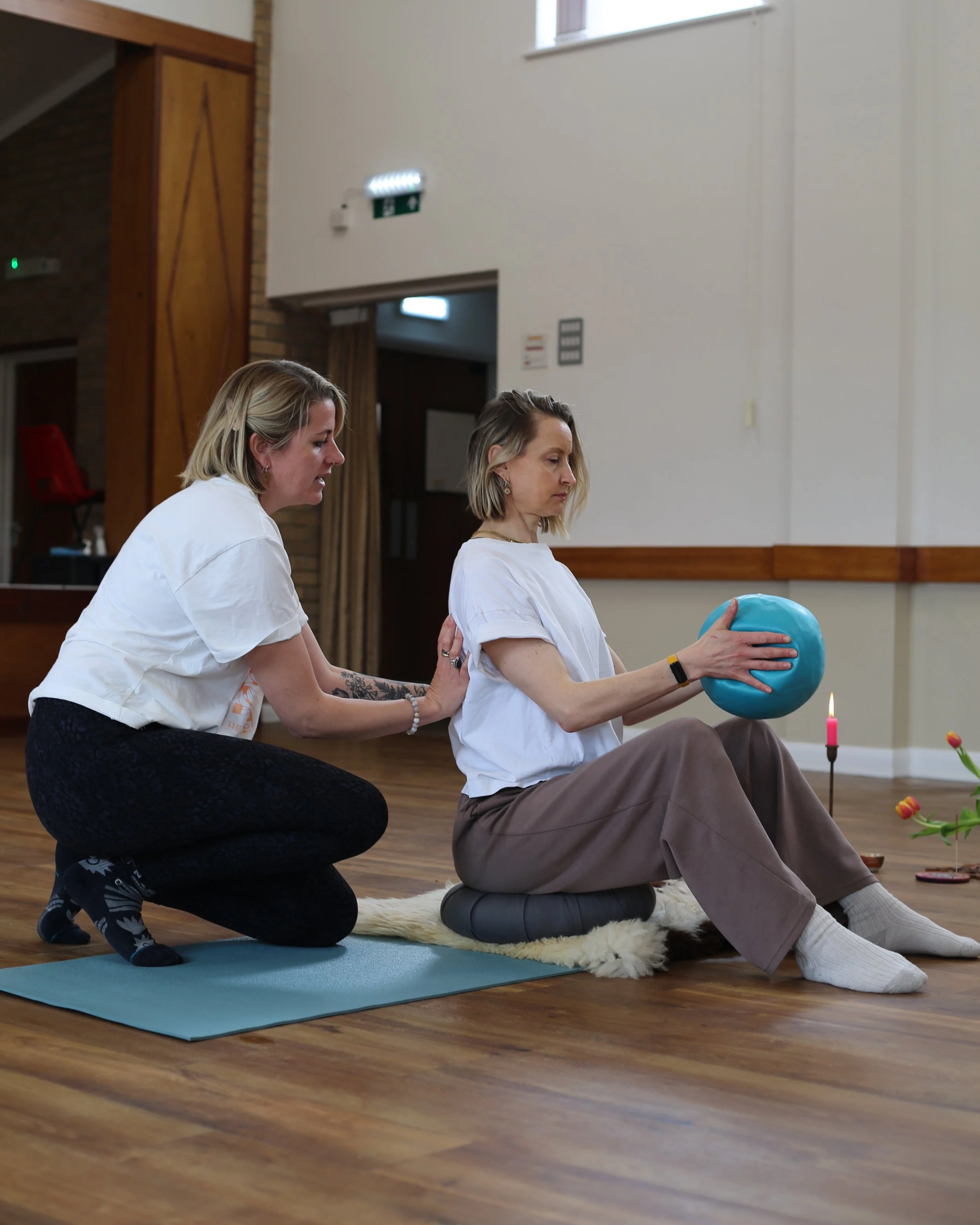
More Than Just Exercise…
One of the things I love most about yoga therapy is that it recognises we are whole human beings. Our physical health, emotions, thoughts, relationships, lifestyle and environment all influence how we feel.
A yoga therapy session may include:
Gentle movement and yoga postures
Breathwork and nervous system regulation practices
Guided relaxation
Mindfulness and meditation
Somatic awareness practices
Lifestyle and wellbeing recommendations
Simple tools that can be integrated into everyday life
The goal isn’t to perfect a pose or spend hours on a yoga mat. Instead, we explore practical ways to support your health, build resilience and help you reconnect with yourself.
As I often tell clients, yoga therapy teaches us that daily life itself becomes the practice ground. The most valuable tools are often the ones that can be woven into the small moments of everyday life.
What Happens During a Session?
A first session usually begins with a conversation.
We’ll spend time exploring what’s happening in your life, your health history, your challenges, your strengths and what you would like support with. Together we identify meaningful goals and begin to create a practice that feels realistic and supportive.
From there, sessions may include movement, breathwork, relaxation, mindfulness, education and discussion. There is always space for curiosity, reflection and questions.
Some days your practice may involve gentle movement. On other days it may simply be learning how to slow down, breathe more deeply and listen to the body’s signals.
The practices are then taken away and integrated into daily life, where lasting change begins to happen.
What Does the Research Say about Yoga as an intervention to support wellbeing?
While yoga therapy is rooted in an ancient tradition, modern research continues to explore and support its benefits.
A 2025 systematic review published in the International Journal of Yoga analysed 14 randomised controlled trials involving 967 nursing professionals and nursing students.
The studies, conducted between 2013 and 2024, examined the effects of yoga on stress, anxiety, burnout, depression, sleep quality and overall wellbeing.
The yoga interventions included a range of practices such as yoga postures, breathing techniques, meditation, relaxation practices and even laughter yoga.
Participants typically practised for between 20 and 90 minutes per session, one to seven times per week, over periods ranging from four weeks to six months.
The findings were positive and encouraging. Researchers found improvements in “stress, anxiety, burnout, and depression” across many of the studies. Several studies also reported improvements in sleep quality and mindfulness, while “no adverse effects were reported.”
The authors concluded that yoga may be a “low-cost, accessible intervention” for supporting mental wellbeing.
While yoga therapy is never intended to replace appropriate medical care, studies like these help us understand why so many people experience meaningful improvements when yoga practices are introduced in a supportive and personalised way.
Coming Home to Yourself….
Perhaps the greatest gift of yoga therapy is that it invites us to pause.
In a world that often asks us to keep pushing, fixing and striving, yoga therapy offers a different perspective. It creates space to listen, to reconnect and to cultivate a more compassionate relationship with ourselves.
Whether you’re navigating stress, anxiety, chronic pain, fatigue, grief, life transitions or simply feeling disconnected from yourself, yoga therapy offers practical tools and gentle support to help you move towards greater balance and wellbeing.
You don’t need to be flexible. You don’t need any previous experience of yoga. You simply need a willingness to begin exactly where you are.
Contact me here if you would like to explore Yoga therapy.
Reference -
Arya, R. G., Srivastava, D., Divya, B. R., Madhu, & Bhargav, H. (2025). A Systematic Review of Yoga Interventions on the Mental Health of Nursing Professionals and Students. International Journal of Yoga, 18(1), 13–26.
"Read the full study here: https://pmc.ncbi.nlm.nih.gov/articles/PMC12068460/"